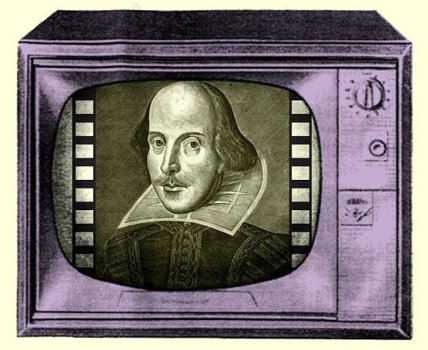
Shakespeare’s theatre is monumental. The whole canon consists of 39 dramatic plays. It is not just a matter of numbers, though. Shakespeare is a monument because of the universal questions entailed in his work. Tropes join the audience in troops! As a prophet, he named his playhouse The Globe, as to foresee the global destiny of his tragedies, histories, comedies.
He belongs to all of us. Performed at all latitudes, one could easily travel the whole planet following Shakespearean productions across the continents.
What defines this “borders transcendent uniqueness” is the connectedness of themes and characters: love, power, revenge, fate, evil, grief, nature, madness, camouflage and dreams are home to affable villains, lovers of love, frail rulers, ambitious ear whisperers, empowered women, fierce maidens, wizards, supernatural creatures, wise jesters, disguised twins…
The list goes on and it is familiar to us all, one way or another. To have “an experience of Shakespeare” does not end with curtains. All those figures live on the stage of our innermost world.
Who was the man? Was he one man?
What we know about a man named William Shakespeare is not much. The birthplace in Warwickshire, Stratford-upon-Avon – the famous small town on the river Avon.
His father – a failed glove maker.
His wife – Anne Hathaway (yes, like the actress!), far older than him, yet owner of a cottage…
The loss of his son – Hamnet, a twin.
The decade or so in the Southbank of London .
As much as these commonly known bits of the actor and playwright’s life appeal to the romantic imagination of spectators all over the world across the ages, some scholars lean towards a more convoluted idea.
The grandiosity of the canon, the encyclopaedic ken of the world in the last decades of the 1500s, the first-hand awareness of geographic and cultural details, all this made scholars conjecture it was no one man job …
Either way, we are all groundlings staring at the scene where a parade of protagonists and roles stare back at us in the never ending reflection that is the magic of theatre.
The Shakespearean Nights are English language sessions meant for participants to explore the theatre of William Shakespeare and begin building their own personal experience of the Bard — one play at a time. Through key words, chunks of language and famous (and less famous) plots, they will tell those stories back to each other, and train their critical thinking on the big questions those plots bring about with extraordinary modernity. No prior knowledge of Shakespeare required: just curiosity, and a willingness to speak.
 Shakespearean Tales